Socio-community life

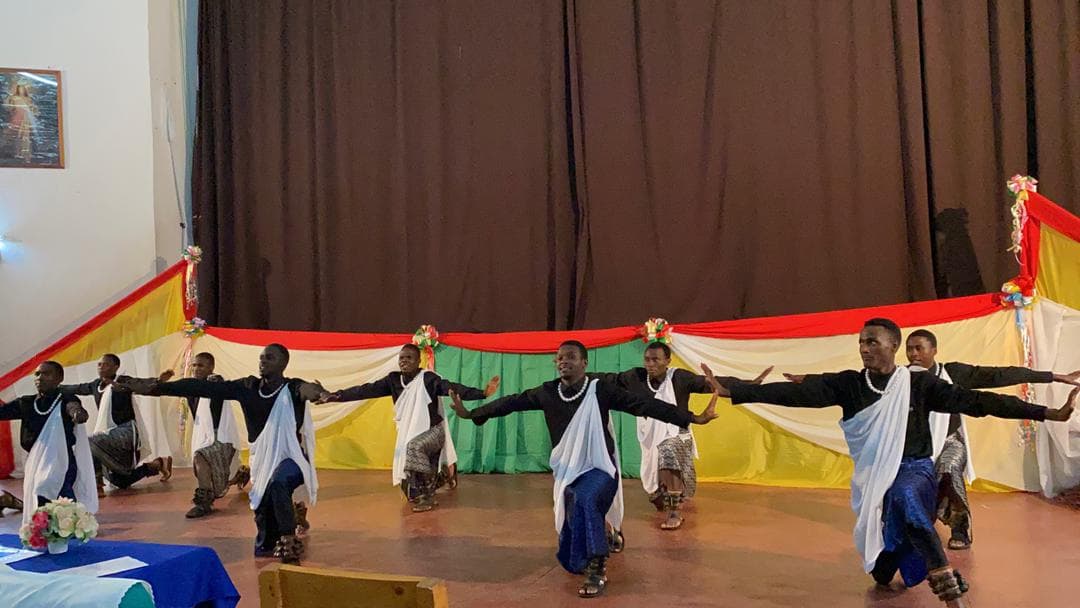
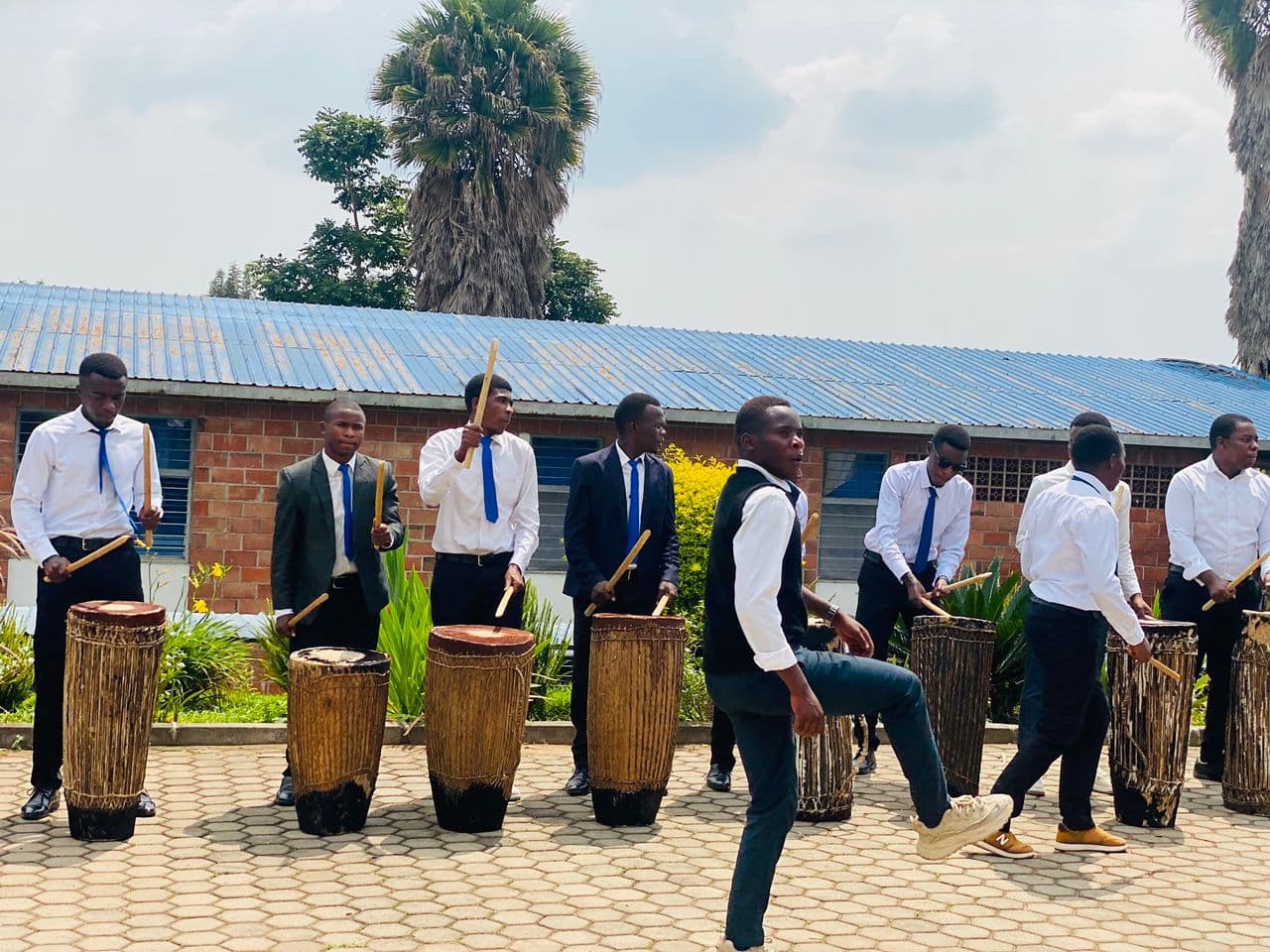
Community means living together. It is a place where one is at home, in a family. It is an atmosphere of well-being and harmony. We accept our differences to recognise that we are complementary. We pray together, we work together. Each contributes his umuganda so that all may breathe peace and unity.
Seminarians are called to form a community where everyone strives to appreciate one another as brothers who, guided by their formators, live, pray and work together. The latter, although very few in number, carry out their task with devotion. The internal regulations of the house are a safeguard and a kind of reminder of order. This community life becomes a favourable moment for mutual and fraternal enrichment and correction. However, even if everyone does their best to live in community with others, in a large community like ours, there is always a risk of falling into a mass mentality that discourages personal commitment.
Community life is a school for acquiring all human values: solidarity, good humour, generosity, helpfulness, tact, good manners, discretion, sociability, etc.
The future priest will practise being a leader (and not a boss), a man of healthy relationships, with whom it is good to live and work. Community life is also a school for acquiring Christian values and above all fraternal love. There are activities from which the seminarian cannot exempt himself: manual work, washing dishes, sweeping. There are other areas where he is encouraged to take initiatives. There are responsibilities where the community asks him to fulfil a function with great accountability: regulations officer, sacristan, refectory manager, games coordinator, etc.
Socio-community life is observed through life teams, sport, manual work, self-financing projects, management of seminary property, management of visits, meals in the refectory, management of individual allowances and the building of positive relationships.
Woe to him who hides, woe to him who always wants to be alone.
Galerie